How Proper Ventilation Prevents Mold and Mildew Growth in Sunset Beach Homes
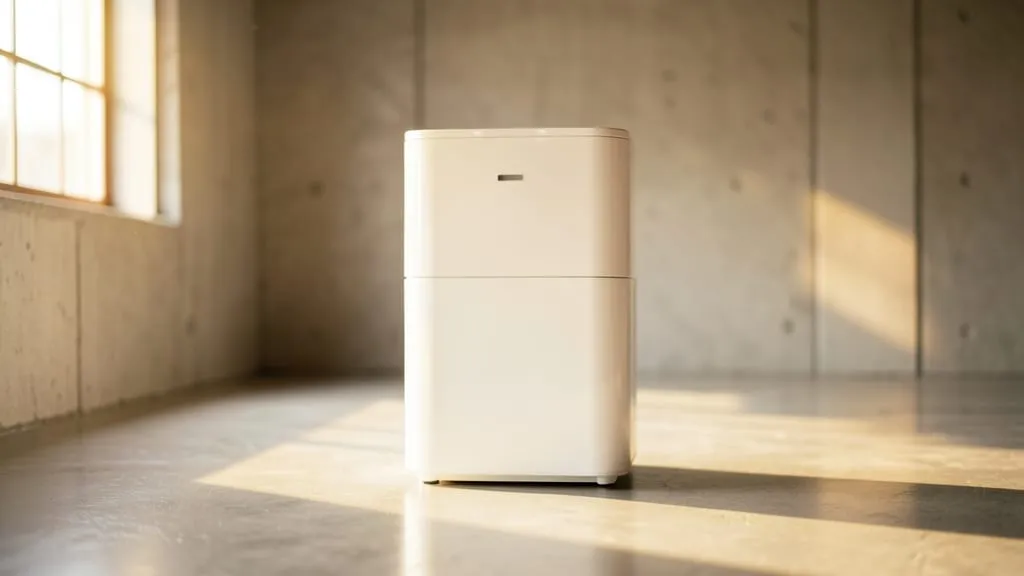
Sunset Beach’s coastal climate creates ideal conditions for mold and mildew if humidity isn’t controlled. Proper ventilation disrupts the moisture cycle that fuels spores, protecting both health and home integrity. The right airflow strategy depends on your home’s design and local weather patterns.
Why Ventilation Matters in Coastal Climates
Sunset Beach’s warm, humid air holds more moisture than inland areas, accelerating mold growth on surfaces like drywall, wood, and insulation. Without airflow, stagnant pockets form in attics, crawl spaces, and walls.
Mold spores thrive above 60% relative humidity. Coastal homes often exceed this threshold, especially after storms or during prolonged damp stretches common in the Carolinas.
Key Areas Requiring Focused Ventilation
Bathrooms without exhaust fans trap steam from showers, leading to ceiling and grout mold. Kitchens generate similar risks from cooking and dishwashing.
Crawl spaces in Sunset Beach often suffer from poor airflow. A sealed crawl space with a dehumidifier or vapor barrier can prevent ground moisture from rising into floor joists.
Attics need ridge vents or soffit vents to expel heat and moisture. Without them, condensation forms on rafters, promoting wood rot and mold.
| Area | Primary Risk | Recommended Ventilation |
|---|---|---|
| Bathroom | High humidity from showers | Exhaust fan (110 CFM minimum) or ERV system |
| Kitchen | Cooking steam and grease | Range hood vented outdoors + dehumidifier |
| Crawl Space | Ground moisture and poor airflow | Sealed crawl space with vapor barrier + dehumidifier |
| Attic | Heat and condensation buildup | Ridge vents + soffit vents or powered attic fan |
| Basement | Stagnant air and water intrusion | Dehumidifier + foundation vents or ERV system |
Mechanical vs. Natural Ventilation: What Works Best
Natural ventilation relies on windows, doors, and passive vents. It’s effective in dry seasons but often insufficient in Sunset Beach’s humid summers.
Mechanical systems like exhaust fans, dehumidifiers, and HVAC upgrades provide consistent moisture control. Energy Recovery Ventilators (ERVs) and Heat Recovery Ventilators (HRVs) are ideal for sealed, energy-efficient homes.
ERVs transfer moisture and heat, making them better for humid climates like Sunset Beach. HRVs are suited for colder, drier regions.
Signs Your Home Needs Better Ventilation
Musty odors in closets, bathrooms, or basements often indicate trapped moisture. Visible mold on walls, ceilings, or under sinks is a clear red flag.
Condensation on windows, especially in winter, suggests high indoor humidity. Peeling paint or warped wood flooring can also signal prolonged moisture exposure.
Mold behind drywall or under flooring can spread undetected. If you smell a musty odor but see no mold, a professional inspection with air quality testing may be necessary.
Local Factors in Sunset Beach That Worsen Mold Risk
Proximity to the ocean increases salt air exposure, which can corrode ventilation components over time. Regular maintenance of exhaust fans and HVAC systems is critical.
Homes near marshes or low-lying areas in Carolina Shores or Ocean Isle Beach may experience higher groundwater levels, requiring additional moisture barriers in crawl spaces.
Older homes in neighborhoods like Sunset Harbor often lack modern vapor barriers. Retrofitting with sealed crawl spaces or improved attic ventilation can mitigate risks.
Ventilation Upgrades with the Highest Impact
Installing a whole-house dehumidifier tied to your HVAC system maintains consistent humidity levels. Look for models with built-in hygrometers and automatic drainage.
Upgrading bathroom and kitchen exhaust fans to higher CFM ratings ensures rapid moisture removal. Ensure fans vent outdoors, not into attics or crawl spaces.
Adding a crawl space encapsulation system with a dehumidifier prevents moisture from seeping into living areas. This is especially valuable in homes near Calabash or Shallotte, where soil moisture is high.
Ventilation Upgrade Checklist
- Seal crawl space with vapor barrier and add dehumidifier
- Install exhaust fans in all bathrooms and kitchens
- Upgrade attic ventilation with ridge and soffit vents
- Consider an ERV system for balanced airflow and humidity control
- Inspect and clean HVAC ducts annually to prevent mold buildup
Maintenance to Sustain Ventilation Effectiveness
Replace HVAC filters every 1-3 months, using HEPA filters if mold spores are a concern. Clogged filters reduce airflow and trap moisture.
Clean exhaust fan grilles and ducts annually to remove dust and mold. In coastal areas, salt buildup can reduce fan efficiency more quickly.
Check crawl space dehumidifiers monthly to ensure proper drainage and functionality. Empty collection buckets if not plumbed directly outside.
How to Improve Ventilation to Prevent Mold in Your Home
Follow these steps to enhance airflow and reduce moisture in key areas.
- 1Assess Current Ventilation
Inspect bathrooms, kitchens, attics, and crawl spaces for signs of poor airflow, such as musty odors or visible mold. Note areas with condensation or high humidity.
- 2Install or Upgrade Exhaust Fans
Replace outdated bathroom and kitchen fans with models rated at least 110 CFM. Ensure they vent directly outside, not into attics or wall cavities.
- 3Seal and Ventilate Crawl Spaces
Install a vapor barrier on the ground and seal crawl space vents. Add a dehumidifier sized for the space to maintain humidity below 60%.
- 4Enhance Attic Airflow
Add soffit vents along the eaves and a ridge vent at the peak to create a continuous airflow path. Consider a solar-powered attic fan for active ventilation.
- 5Use Dehumidifiers Strategically
Place dehumidifiers in basements, crawl spaces, and other high-moisture areas. Opt for models with automatic humidity sensors and drainage hoses.
- 6Schedule Regular Maintenance
Clean exhaust fans, HVAC ducts, and dehumidifier coils annually. Replace HVAC filters regularly to ensure optimal airflow and moisture control.
Frequently Asked Questions
How does coastal humidity in Sunset Beach affect mold growth compared to inland areas?
Sunset Beach’s proximity to the ocean results in higher average humidity and more frequent moisture in the air. This accelerates mold growth on surfaces and in hidden areas like wall cavities. Inland areas like Loris or Tabor City may have lower humidity but can still experience mold if ventilation is poor.
Can improving ventilation eliminate existing mold, or is remediation still necessary?
Ventilation helps prevent future growth but won’t remove existing mold. Once mold is present, remediation is required to safely eliminate spores and contaminated materials. Ventilation improvements should follow remediation to prevent recurrence.
What’s the best ventilation solution for a home with a musty crawl space in Sunset Beach?
A sealed crawl space with a vapor barrier and a dedicated dehumidifier is the most effective solution. This combination blocks ground moisture and actively removes humidity from the air, preventing mold growth on joists and subflooring.
Are ERV systems worth the investment for mold prevention in coastal North Carolina?
Yes, ERVs are highly effective in humid climates. They exchange stale indoor air with fresh outdoor air while transferring moisture and heat, maintaining balanced humidity levels. This is especially valuable in tightly sealed, energy-efficient homes near Ocean Isle Beach or Holden Beach.
How often should I run my bathroom exhaust fan to prevent mold?
Run the fan for at least 20-30 minutes after showering or bathing to remove moisture completely. For high-humidity days, consider leaving it on longer or using a timer switch. Ensure the fan vents outdoors and not into an attic or wall cavity.
What are the risks of ignoring ventilation issues in a Sunset Beach rental property?
Poor ventilation can lead to widespread mold growth, which may require costly remediation and damage to the property’s structure. It can also create health risks for tenants, leading to potential liability issues. Regular inspections and maintenance are critical for rental properties in humid coastal areas.